

Mesothelioma From Asbestos
Malignant mesothelioma can be found in the tissues of the chest and abdomen. It can be caused by exposure to asbestos fibres, which is usually chrysotile asbestos.
Mesothelioma is most often affecting the lung lining (pleural mesothelioma), but it can also be seen in the stomach's lining (peritoneal mesothelioma) or in the lining of the testicles or heart (pericardial mesothelioma). It often takes decades for symptoms to develop after asbestos exposure.
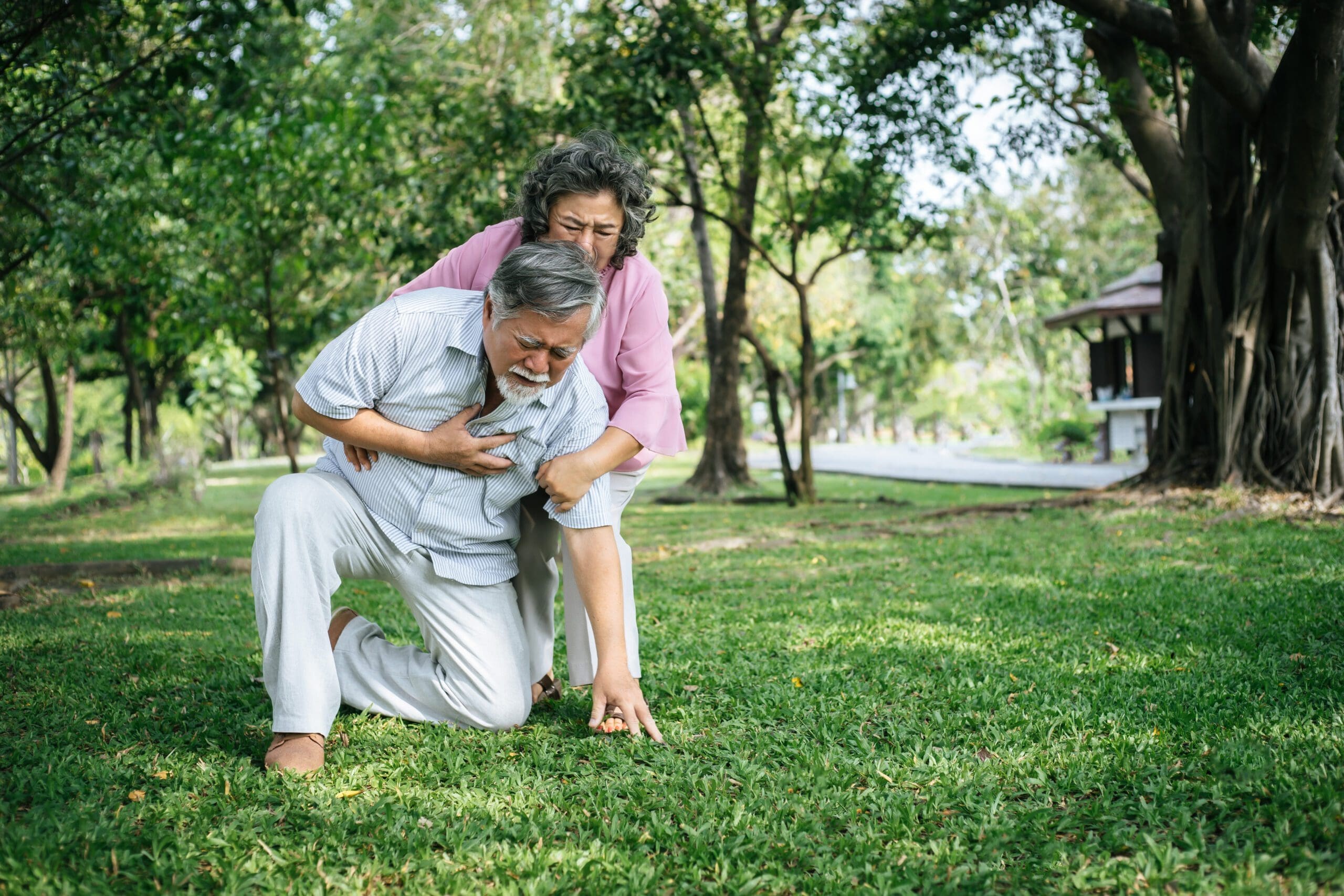
Symptoms
Most asbestos-related diseases including mesothelioma can take between 20 and 50 years to develop. In this time, asbestos fibres can cause the development of abnormal tissue within the lining of organs like the lungs and stomach. These tumors can trigger discomfort, which can affect a person's overall quality of life.
The symptoms of mesothelioma differ depending on the part of the body where the tumors are situated. They may affect the lining in the lung (pleural) or another layer in the abdomen.
Pleural mesothelioma is the most frequent type in 85 percent of cases. It can also affect the interior of other organs such as the heart (pericardial mesothelioma) and the testicles (testicular mesothelioma). The symptoms of mesothelioma are mostly similar. Coughing, chest pain, and the buildup of fluid around the lungs are just a few of these symptoms. Some sufferers also experience abdominal pain, bloating or fatigue.
It is often difficult for doctors to identify mesothelioma because the cancer's growth rate is slow and its symptoms can be confused with other diseases or cancers. A biopsy is the only way to confirm a mesothelioma diagnosis. A biopsy is when doctors remove tiny pieces of tissue from the area affected to examine under microscope.
Doctors usually start with an routine X ray to check the alignment of tissues. If this test reveals unusual growth or the presence of fluid, doctors will employ other imaging scans to get a more detailed view. These may include CT scans, PET scans and MRIs.
Anyone who has been exposed to asbestos need to be aware of any symptoms or signs that could indicate this rare illness. They should talk to their health care professionals at work and inquire about any exposures.
The symptoms of mesothelioma can be so insignificant that many asbestos patients do not realize they have it until they're too late. Asbestos victims who have been diagnosed with this disease can claim compensation from the companies who exposed them to asbestos. These funds can be used to cover medical bills and other expenses that may arise from this condition.
Diagnosis
Mesothelioma is most commonly found in the linings of the lungs and heart (pleural mesothelioma) however, it may be found in the linings of the chest cavity or pericardium (peritoneal peritoneal). Asbestos exposure can cause mesothelioma to develop on any part of the body. The condition can take decades to become apparent and is difficult for doctors and other healthcare professionals to diagnose.
If you are experiencing any signs of mesothelioma - especially those that are related to breathing or weight loss problems - it is important to consult your GP. Your GP might refer you to the hospital for further tests.
If you were exposed asbestos at work, your GP is likely to inquire about the substances you worked with and, if possible, the past jobs you were employed in. This can help them find evidence of exposure, and also confirm whether mesothelioma was the cause of your symptoms.
After reviewing your medical history, mesothelioma specialists will perform a physical examination and ask you to explain any symptoms. They may also request an imaging test to check your chest, abdomen and lung. This includes X-rays computerised Tomography (CT) and positron-emission scans (PET).
These tests can reveal the extent to which mesothelioma has spread. They can also identify other health problems you might be suffering from, like an infection or fluid build-up in the lungs.
Mesothelioma is a result of repeated asbestos exposure. Asbestos is minerals that form tiny fibres that can penetrate the lungs. These fibres can cause irritation, DNA damage, and cancerous tumors.
If mesothelioma is found to be present by a biopsy, the procedure is performed to confirm the diagnosis. They will collect samples of the lining in your lungs, or any other region affected by mesothelioma such as the heart and stomach.
They can also use a thoracoscope that has a camera attached. This lets them view inside the lung cavity. They will then take a tiny sample of the area between your lung and the lungs (mediastinum). The doctor might also drain fluid from the lung to make an assessment.
Treatment
Mesothelioma develops around internal organs. It can affect the lung (pleural mesothelioma) and stomach (peritoneal mesothelioma) or the testicles and heart. It can be difficult for doctors to recognize the disease because it is a rare. Symptoms usually appear slowly, and often for a long time after asbestos exposure. Around 2,500 people die from mesothelioma in the UK each year. It is not possible to cure mesothelioma, however treatment can alleviate symptoms and prolong the duration of.
The first step in identifying mesothelioma is for a person to visit their GP with any health issues. The GP will inquire about their symptoms and whether they have any previous history of asbestos exposure. The doctor will then refer them to additional tests to determine if mesothelioma caused their health problems.
The majority of mesothelioma cases are related to a prior exposure to asbestos. However, there are also some rare cases that have no known connection to asbestos. These cases are believed to have caused by genetic changes. These mutations or changes affect the way cells process information and receive it. Cells become hyperactive, and they begin to grow out of control.
When a mesothelioma cancer grows, it can put pressure on the surrounding tissues and cause complications. For example, it can cause lung pressure and make breathing difficult. It can also clog the chest cavity with fluids, which causes coughing and discomfort.
Mesothelioma can be treated by different techniques, including surgery and chemotherapy. The type of treatment used will depend on where the mesothelioma is located and the degree to which it has advanced.
For example, it is more likely that someone will need surgery if the mesothelioma is spreading to their lung. They may also need chemotherapy or radiation if the tumour has not yet spread. However, there is no cure for mesothelioma, and it will continue to grow in the majority of people. A small percentage of patients are able to live longer with mesothelioma, particularly those with less aggressive forms of the disease. These include patients who have an abnormality in the BAP1 gene, and those who receive radiation treatment for other cancers.
Prognosis
The likelihood of survival in mesothelioma varies based on the size and location of the cancer. Treatment plans are designed to decrease the size of the tumor and quality of life, and extend survival. These treatments can include immunotherapy, chemotherapy, and surgery. Multimodal plans, which involve the use of different types of treatment methods in a single treatment plan -- are often employed for mesothelioma patients.
In many cases, mesothelioma-related symptoms may be misinterpreted as lesser serious illnesses. mesothelioma and asbestos is important to consult your doctor immediately if you notice any signs or symptoms.
Most often, mesothelioma affects the lung tissue. However, it can also affect the stomach, heart testicles, pericardium and the testicles (lining of the chest cavity). It could take anywhere from 10 to 50 years for mesothelioma signs to show up.
The most significant mesothelioma risk factor is exposure to asbestos. This is a heat- and fire-resistant mineral fiber used in insulation as well as other materials prior to when it was banned in the 1970s. People who worked with asbestos, such as miners, millers, and construction professionals, were at a higher risk of being exposed. People who worked on ships, military bases and in shipyards also faced a high risk of exposure. Additionally, homeowners who removed or handled asbestos insulation from their homes could be exposed.
Asbestos exposure could cause mesothelioma through the release of asbestos particles into the air. The asbestos-containing particles in the air can be breathed in or swallowed. They can cause irritation to the lungs and organs. Mesothelioma could develop if the lung tissue gets irritated for a prolonged period of time.
A small percentage of mesothelioma cases can be attributed to genetic mutations that are passed down through families. The BAP1 mutation increases the chance of developing mesothelioma.
Even with the best mesothelioma treatment, it may be difficult to survive this disease. A mesothelioma lawyer can assist victims, their families and loved ones file a suit against negligent manufacturers and building owners. This could allow them to receive compensation for medical expenses, lost income and more. For more information, contact mesothelioma lawyers today.